Elgin Avenue home removals tips for narrow staircases
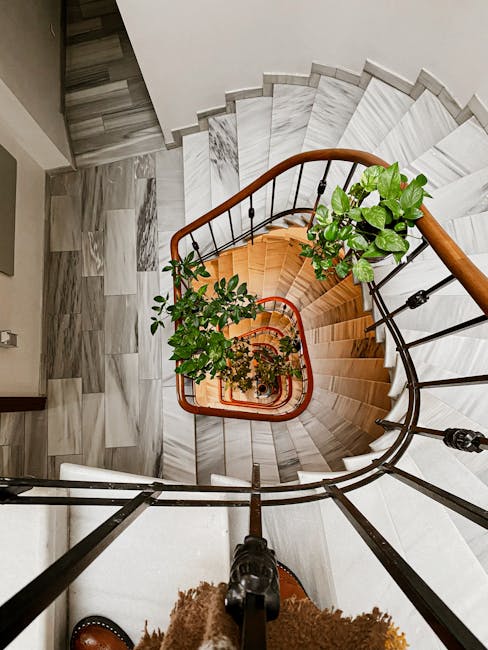
If you are planning a move on or around Elgin Avenue, the staircase can be the part that quietly changes everything. A sofa that looked fine in the living room can suddenly feel like a wall in the hallway. A wardrobe that should have been straightforward becomes a two-person puzzle. And if the stairs are narrow, steep, or awkwardly turned, the whole move needs a smarter plan.
This guide to Elgin Avenue home removals tips for narrow staircases is built for exactly that kind of day. You will find practical advice on measuring, packing, carrying, protecting the property, and deciding when a professional removal team is worth it. The aim is simple: reduce stress, avoid avoidable damage, and make the move feel a lot more manageable. Truth be told, narrow stairs have a way of exposing every rushed decision, so a calm plan goes a long way.
Whether you are moving from a flat with a tight stairwell, a Victorian conversion, or a home with awkward turns and low ceilings, the same core idea applies: prepare for the staircase first, then the rest of the move gets easier. Not easy exactly. Easier.
Why Elgin Avenue home removals tips for narrow staircases Matters
A narrow staircase can turn a routine home removal into a sequence of small decisions with big consequences. The issue is not only size. It is angle, clearance, grip, turning space, and the amount of protection needed for walls, banisters, and flooring. On a busy London street, with neighbours coming and going and parking often tight, you do not want the stair part of the move to become the thing that slows everything down.
Elgin Avenue has the kind of housing mix where stair access can vary a lot from property to property. Some homes have older staircases with tighter landings, some have split levels, and some have walls and corners that make carrying furniture feel more like a careful manoeuvre than a simple lift. That is why local, practical planning matters. The move may be perfectly doable, but only if you respect the staircase as a major constraint rather than a minor detail.
There is also a risk angle. Lifting large items in a confined space increases the chance of scraped paintwork, strained backs, damaged furniture, and awkward delays. And once a sofa gets stuck halfway up the stairs, everyone suddenly becomes very interested in angles. Very interested.
Quick takeaway: narrow staircases do not necessarily make a move difficult, but they do make poor planning expensive. Measure first, pack smart, protect the route, and choose the right moving method before the day arrives.
How Elgin Avenue home removals tips for narrow staircases Works
The process is basically about reducing friction before it happens. You look at the staircase, the furniture, the route, and the crew, then match them as closely as possible. In practice, that means checking dimensions, disassembling what you can, wrapping edges, and deciding whether certain items should be carried by a removal team, moved with specialist lifting equipment, or taken apart and rebuilt later.
A successful narrow-stair move usually follows a simple logic:
- Measure the staircase properly. Width is important, but so is the turning point on the landing, the height under handrails, and any tight corners.
- Measure the furniture in its real carrying shape. A wardrobe can look manageable until you notice its depth, handles, or fixed shelves.
- Plan the route. Staircases, hallways, front doors, communal areas, and any external steps all matter.
- Decide what can be dismantled. Bed frames, table legs, and some shelving units are often easier to move in parts.
- Protect the surfaces. Use floor covers, corner protectors, and blankets where needed.
- Coordinate the timing. Less traffic in the stairwell means fewer collisions, fewer apologies, and less chaos.
That is the mechanics of it. The human side matters too. A person carrying the front end needs to hear clear instructions. The person behind needs room to move. Someone has to watch for bannister contact. Someone else has to keep doors open. It is a small choreography, really. Not glamorous, but effective.
If you are comparing services and want to understand how a wider move fits into the process, it can help to read about house removals planning or look at packing support before you commit to a moving plan.
Key Benefits and Practical Advantages
Getting the staircase strategy right saves more than effort. It can improve the entire moving day from start to finish. A well-prepared move is usually quicker, calmer, and less likely to produce those tiny bits of damage that you only notice later in the evening when the dust settles and the kettle is finally on.
Here are the main benefits of planning properly for narrow stairs:
- Less damage to furniture. Better wrapping and better handling reduce scuffs, chips, and crushed corners.
- Less risk to the property. Walls, bannisters, paint, and flooring are protected more effectively.
- Lower chance of injury. Good lifting technique and proper team coordination matter a lot in tight spaces.
- Faster loading and unloading. Items arrive at the right order and do not have to be repeatedly moved around.
- Better use of professional labour. Removal crews can work efficiently when they know what to expect.
- Less stress on the day. You are not improvising every five minutes.
There is also a practical money angle, even if people do not always think about it. Damage claims, emergency equipment hire, extra labour time, or replacing a scratched item can all add up. A little planning often prevents the sort of expense that feels especially annoying because it was avoidable.
For smaller moves, this preparation can also help you decide whether a full removal service or a more flexible option makes sense. If you need broader help, it may be worth checking man and van services or furniture assembly support to simplify the move in stages.
Who This Is For and When It Makes Sense
This advice is relevant if your move involves any staircase that feels tight, steep, or awkward. That includes top-floor flats, converted period properties, maisonettes, and older homes where the stairwell was simply not built with modern furniture in mind. If you have ever stood at the bottom of a stairwell holding a mattress and thought, "That looks optimistic," then yes, this section is for you.
It makes particular sense if you are moving:
- large or bulky furniture such as wardrobes, sofas, or mattresses
- fragile items that must not be forced around corners
- heavy appliances with awkward grip points
- items with limited dismantling options
- valuable pieces that need extra care and wrapping
It is also worth taking this seriously if you are moving on a schedule. Schools runs, work commitments, building access windows, and parking restrictions can turn a simple delay into a bigger headache. A narrow staircase does not care about your diary, unfortunately.
For landlords, estate agents, and tenants in managed buildings, the stakes can be a little higher because you may also need to think about communal areas, shared entrances, and building rules. If that sounds familiar, a relevant guide on flat removals can help you think through access and coordination more clearly.
Step-by-Step Guidance
The easiest way to approach a move with narrow stairs is to treat it like a sequence of small checks rather than one big event. Start early. Not dramatically early, but early enough that you are not measuring a wardrobe with ten minutes to spare.
1. Measure the staircase and the furniture
Measure the staircase width at its narrowest point, then check the landing, any turns, and the headroom. After that, measure the furniture in the form it will actually be carried in. A table may fit once the legs are removed. A sofa may only fit when it is tipped on its side. A bed base may be fine on paper, then awkward in reality because of handles or corner brackets.
Remember to include door frames and hallway pinch points. People often focus on the stairs and forget the first turn from the front door. That first turn can be the real bottleneck.
2. Decide what should be dismantled
Disassemble bed frames, remove table legs, take doors off some cabinets where practical, and empty drawers before lifting. The aim is not to dismantle everything. The aim is to reduce awkward bulk. If something becomes noticeably easier in parts, that is usually a sign you should split it.
3. Prepare and protect the route
Lay down floor protection, cover bannisters, and pad sharp corners. In a rental or managed building, this step is especially important because a small chip in the paint can become a larger conversation later. Nobody needs that at 8.30 in the morning.
4. Pack by access difficulty
Keep the most awkward items accessible and clearly marked. If the removal team needs to move a heavy wardrobe last, do not bury it behind twenty boxes labelled "misc." You will only make the staircase job harder for no reason. Keep essentials separate too, so the move-in unpacking does not turn into chaos.
5. Assign roles clearly
One person leads, one person spots, one person opens doors, and another checks the landing or route. If everyone tries to direct at once, it gets noisy fast. Clear communication helps more than strength in many cases. Simple calls like "pause", "tilt", or "up a little" are genuinely useful.
6. Load in the right order
Move awkward items when the team is fresh and focused. Do not leave the heaviest lift until everyone is tired and the stairwell is full of empty tape rolls. The order of loading matters more than people think. Put the difficult pieces first, the easy boxes later.
7. Recheck before carrying
Right before the lift, check the item height, rotation angle, and grip points again. This last check can save a lot of grief. It takes one minute, maybe two, and often prevents a ten-minute struggle halfway up the stairs.
Expert Tips for Better Results
There are a few details that make a surprisingly big difference on narrow stair moves. These are the kind of things experienced crews tend to notice early, usually because they have learned them the hard way at some point. Happens to the best of us.
Use the staircase as a measuring tool, not just the tape measure
Take a close look at how the item will pivot. A sofa might technically fit if carried vertically, but does the landing allow the turn? Is there enough clearance above the banister? Can the item be angled without scraping the wall? Visualising the move often tells you more than raw numbers.
Wrap edges first
Corner protectors, moving blankets, and stretch wrap are especially useful for items likely to brush the wall. Focus on edges and handles, because those are the first places damage appears. A small amount of padding can save a lot of irritation.
Remove obstacles before the crew arrives
Hallway shoes, plant pots, coat racks, umbrella stands, recycling bags, and loose rugs all create friction in a staircase move. Clearing the route may sound obvious, but in real life it is one of the most commonly overlooked steps. The move goes better when the path is plain and dry underfoot.
Think about timing and neighbours
On Elgin Avenue, as in much of London, it helps to avoid peak foot traffic where possible. A quieter window means fewer interruptions in communal areas and less chance of crowding the front entrance. If you live in a building with shared access, a little courtesy goes a long way.
Keep essentials with you
Documents, chargers, keys, medication, and a basic kettle kit are best kept separate from the removal load. You do not want to be searching for your passport in a box marked "books and spare cables" while the sofa is wedged in the stairwell. That way madness lies.
If you are collecting more general move support, it can also help to review storage options if timing between moving out and moving in is not perfectly aligned.
Common Mistakes to Avoid
Narrow staircases reward careful planning and punish assumptions. The most common mistakes are usually not dramatic. They are small shortcuts that feel harmless until they are not.
- Guessing measurements. Eyeballing the staircase is not enough. Measure it properly.
- Forgetting the landing turn. Many items fail at the bend, not the straight run.
- Leaving items fully assembled. A few minutes of dismantling can save much more time later.
- Skipping route protection. Marks on walls and floors are easier to prevent than repair.
- Underestimating weight distribution. Heavy items need balance, not just strength.
- Overpacking boxes. A box that is too heavy becomes awkward on stairs very quickly.
- Starting too late in the day. Fatigue makes narrow-space lifting riskier.
- Not telling the movers about access issues. If the staircase is tight, say so early and clearly.
One small but common error is assuming that "it will probably be fine." Sometimes it will be. But narrow stairs are rarely the place to trust optimism alone. Better to check, then check again.
Tools, Resources and Recommendations
The right equipment does not solve every problem, but it does make awkward moves safer and less frustrating. You do not need a warehouse of gear. You just need the items that match the job.
| Tool or resource | What it helps with | When to use it |
|---|---|---|
| Moving blankets | Protecting furniture, walls, and bannisters | For large items and narrow turns |
| Stretch wrap | Keeping drawers and doors secure | When moving cupboards, sofas, or beds |
| Furniture sliders | Moving heavy pieces on flat surfaces | Useful before the staircase section begins |
| Ratchet straps | Stabilising items in transit | For load security in vans or lorries |
| Corner protectors | Reducing scrape damage | Especially helpful on sharp hallway corners |
| Dolly or sack truck | Moving boxes and smaller items efficiently | Best where stairs are not part of the lift |
Some items are worth discussing with a removal company before the move rather than buying or renting in a rush. That includes very large wardrobes, upright appliances, or fragile furniture with awkward dimensions. If you need broader planning help, pages on office removals or long-distance removals can also give useful context on packing discipline and transport coordination, even if your move is domestic.
A good rule of thumb: if the equipment only helps when used correctly, make sure someone on the team knows how to use it. Tools are brilliant. Incorrect tools in uncertain hands, less so.
Law, Compliance, Standards and Best Practice
For a domestic move, the main compliance issues are usually practical rather than highly regulated, but that does not mean they should be ignored. In the UK, movers and householders still need to think about safe manual handling, reasonable care for property, and access arrangements in shared buildings. Professional crews should follow sensible health and safety practices, and clients should avoid asking anyone to attempt a lift that clearly exceeds safe handling limits.
If your property has communal stairs, shared entrances, or a management company, check any building rules in advance. Some blocks require prior notice for removals, booking lifts, or protecting communal areas. That varies by building, so it is worth confirming rather than assuming. A quick email can prevent a pointless delay on the morning of the move.
Best practice usually includes:
- clear communication about item sizes and access issues
- appropriate manual handling and two-person lifts for awkward objects
- route protection for walls, floors, and doors
- careful use of lifting aids when suitable
- reasonable planning around parking, loading, and neighbour access
If a move involves particularly heavy or awkward items, a competent removal team will normally assess whether the item should be dismantled, carried by multiple people, or moved by another route. That cautious approach is not overkill. It is common sense.
Options, Methods and Comparison Table
There is no single right way to handle a move with narrow stairs. The best method depends on the property, the furniture, your time, and how much lifting you want to do yourself. Here is a simple comparison to help with that decision.
| Method | Best for | Pros | Cons |
|---|---|---|---|
| DIY move | Small loads, lighter furniture, short distances | Lower upfront cost, flexible timing | More physical effort, higher risk of damage |
| Man and van | Smaller to medium moves with a few awkward items | Good balance of support and cost | May need extra planning for stairs |
| Full removal service | Large homes, bulky furniture, tight access | More coordination, less lifting stress | Usually higher cost than self-managed options |
| Part-dismantled move | Items that can be safely broken down | Improves access, reduces staircase strain | Requires assembly time later |
If you are deciding between options, do not just think about cost. Think about the staircase itself. A narrow, twisting stairwell often makes a more comprehensive service feel worth it, especially if you value time, safety, and fewer surprises.
Case Study or Real-World Example
Consider a typical move from a first-floor flat on Elgin Avenue with a tight stairwell and a sharp turn at the landing. The key problem was not the number of boxes. It was two large items: a bed frame and a three-seater sofa. On paper, both looked manageable. In the hallway, they looked far less cooperative.
The solution was straightforward but disciplined. The bed frame was dismantled in advance, with bolts bagged and labelled. The sofa was measured again, then protected with blankets and wrapped at the corners. The team cleared the route, removed a small hall table, and used two-person handling for the turn at the landing. The moving order changed too. Boxes went first only after the bulky pieces were out, because the stairwell needed space to work properly.
The result? Less drama than expected. Not zero drama - let's not pretend moves are ever perfect - but no damage, no stuck furniture, and no last-minute panic. The real success was that everyone knew the plan before they touched anything.
That is the pattern worth copying. A good move on a difficult staircase often looks calm from the outside because the planning happened earlier, in private, when no one was rushing.
Practical Checklist
Use this checklist a day or two before the move, then again on moving morning if needed.
- Measure the staircase width, landing, and door frames
- Measure bulky furniture in its carrying position
- Confirm which items will be dismantled
- Label screws, fixings, and small parts clearly
- Protect floors, walls, and bannisters
- Clear the hallway, stairs, and entrance path
- Check parking or loading arrangements
- Tell neighbours or building management if needed
- Keep valuables and essentials separate
- Assign clear roles to everyone helping
- Use two people for heavy or awkward items
- Load the most difficult items while everyone is fresh
- Keep water, a phone charger, and basic tools nearby
- Double-check the route before each major lift
If you can tick off most of that list, you are already ahead of the average moving day. Seriously, a little structure changes everything.
Conclusion
Narrow staircases do not have to turn a home move into a nightmare. With the right measurements, a sensible order of work, and a realistic view of what can safely be carried or dismantled, the process becomes much more manageable. That is the heart of Elgin Avenue home removals tips for narrow staircases: prepare for the tightest part of the move first, and the rest will usually follow more smoothly.
For anyone moving on Elgin Avenue, the biggest win is not speed. It is control. When the stairs are planned properly, the whole day feels calmer, safer, and a lot less chaotic. And honestly, that calm is worth quite a bit.
If you want help planning the right moving approach for your property, it is worth speaking to a team that understands awkward access, careful handling, and local moving conditions. A quick conversation now can save a pile of stress later.
Get a free quote today and see how much you can save.
Even a difficult staircase can be handled well when the plan is steady, the team is prepared, and nobody tries to rush the turn at the landing.
Frequently Asked Questions
How do I know if my furniture will fit up a narrow staircase?
Measure the furniture at its widest and tallest carrying point, then compare that with the staircase width, landing space, and any tight bends. If you are unsure, ask the removal team to assess it before moving day. A quick check usually saves more time than it takes.
Should I dismantle furniture before moving it on narrow stairs?
Usually, yes, if dismantling makes the item easier to carry and reassemble later. Bed frames, table legs, and some shelving units are common examples. If an item is fragile or complicated to rebuild, ask for advice first rather than forcing the issue.
What is the safest way to carry heavy items on stairs?
Use two people minimum for awkward items, keep communication clear, and move slowly with controlled steps. Good balance matters more than speed. If an item feels unstable, stop and reassess instead of pushing on.
Do removal companies bring protective materials for stairs?
Many do, especially for blankets, covers, and floor protection, but this varies by provider. It is sensible to confirm in advance so you know whether anything extra needs to be arranged. Small details like that make a big difference.
Can a sofa be moved up a narrow stairwell?
Sometimes, yes, but it depends on the dimensions, shape, and turning space. Sofas are often the first thing to cause trouble because of their length and bulk. If in doubt, measure carefully and consider dismantling or specialist handling.
How early should I plan for a move with narrow stairs?
Ideally, start as soon as the moving date is confirmed. Even a few days of preparation can help, but earlier is better if you need to dismantle furniture, book parking, or coordinate access in a shared building.
What should I protect first: floors, walls, or bannisters?
All three matter, but the most vulnerable spots are usually corners, narrow door frames, and bannisters where people naturally grip while turning. A little padding in the right places can prevent scratches and scuffs.
Are there extra costs for difficult access moves?
Sometimes there can be, especially if the move needs extra labour, longer loading times, or specialist equipment. The best approach is to describe the access honestly upfront so any quote reflects the real job rather than a best-case guess.
What if my staircase is too narrow for the item even after dismantling?
If it truly will not fit, you may need a different route, alternative lifting method, or a storage solution while you decide what to do next. Do not force a fit. That is usually where damage happens. A sensible workaround is better than a damaged wall and a stuck wardrobe.
How can I make moving day less stressful in a flat with tight stairs?
Clear the route, prepare the items in advance, label everything, and keep communication simple. Also, give yourself a realistic time buffer. Rushing is what turns a manageable move into a messy one.
Is it worth hiring professionals for just one or two awkward items?
Often, yes. One heavy sofa or mattress can create more risk than a dozen small boxes. If the staircase is especially narrow, paying for help with the awkward pieces can be a sensible investment.
What should I tell the removal company before moving day?
Tell them the staircase width if you have it, any turns or low ceilings, the number of flights, parking constraints, and whether any furniture can be dismantled. The more accurate the access details, the better prepared they can be.