Maida Vale removals Warwick Avenue narrow street solutions: a practical guide for tight-access moves
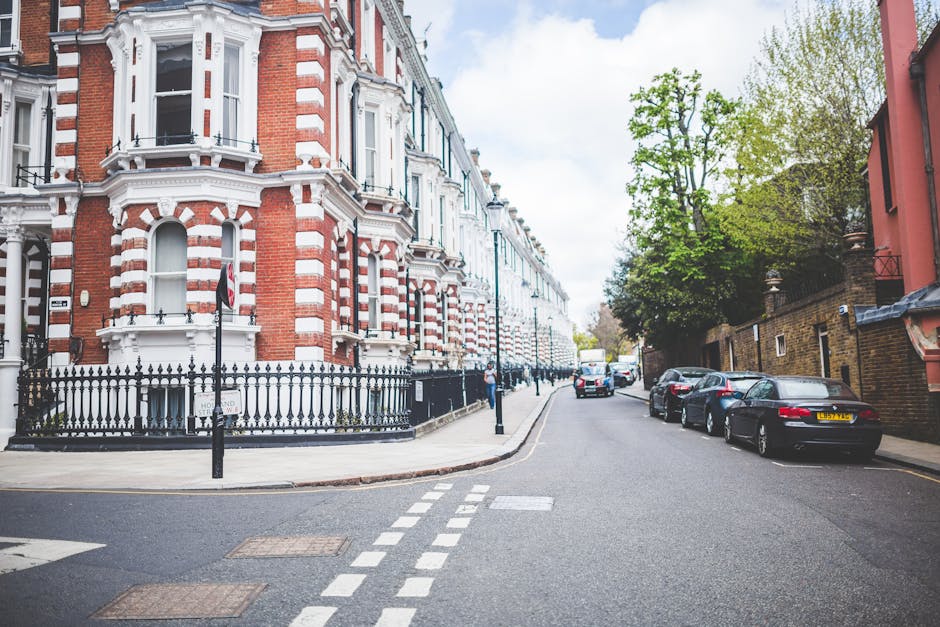
Moving in Maida Vale can feel straightforward on paper, then suddenly the street tells a different story. Warwick Avenue, with its narrower parking windows, busy flow, and awkward building access, asks for a more careful approach than a standard house move. That is exactly why Maida Vale removals Warwick Avenue narrow street solutions matter: they help you move without blocking traffic, damaging belongings, or turning a simple day into a stressful one. If you are planning a flat move, a family relocation, or even a small office shift, the right method can save time, energy, and a fair bit of frustration.
In this guide, you will find practical ways to handle tight streets, reduce carrying distance, plan loading safely, and choose the most suitable removal setup for the job. We will also cover what to avoid, how to prepare, and when storage or smaller vehicle access can make life much easier. Let's face it, a move in West London rarely runs by accident. It runs by preparation.
Why Maida Vale removals Warwick Avenue narrow street solutions Matters
Warwick Avenue is the kind of place where a standard removal plan can unravel quickly. A van that is too large, a lift that is too small, or a loading point that is not properly thought through can all add half an hour here and an hour there. On a narrow street, those delays are not just inconvenient. They affect neighbours, passing vehicles, and sometimes the safety of everyone helping with the move.
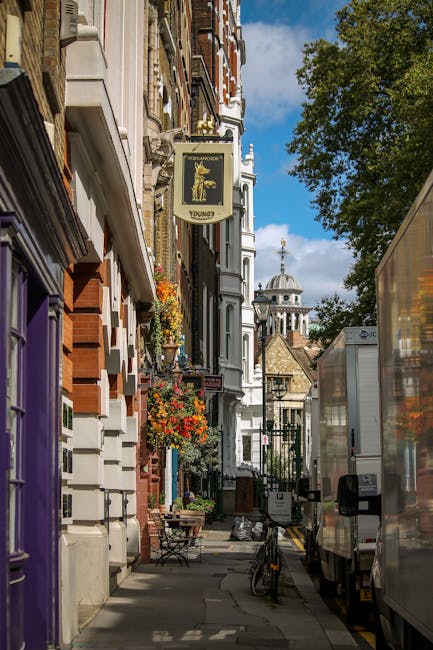
In Maida Vale, many properties are period flats, mansion blocks, converted homes, or upper-floor apartments. That means stairs, communal entrances, basement corridors, and limited frontage are all part of the picture. So the real issue is not only getting items from A to B. It is getting them out of a building, onto the road, and into a vehicle without chaos. The narrow-street challenge changes everything: vehicle size, crew size, timing, packing, and even the order in which rooms should be emptied.
There is also a trust issue here. People often assume removals are mostly about muscle, but the experienced teams know it is about planning. A well-run move in a tight London street feels calm. Quiet, even. Boxes move in a rhythm, doors stay protected, and no one is left sweating in the road wondering where the sofa will go. That calm is the product of a solution, not luck.
For many local customers, the safest route is a service mix that fits the property and the street, such as local removals, a smaller-vehicle approach like man and van, or a combined move-and-store option through removals and storage. The right choice depends on the building, the street, and how much needs shifting.
How Maida Vale removals Warwick Avenue narrow street solutions Works
The process starts before moving day. That is the honest answer. Good narrow-street removals begin with access planning: where the van can safely stop, whether there is room for manoeuvring, how long the loading will take, and whether there are any restrictions or shared access issues. Once that is clear, the move is designed around the street rather than forcing the street to fit the move.
In practice, a narrow-street solution may involve a smaller vehicle, shuttle loading, staged collection, or a combination of packing and storage support. For example, if a large truck cannot sit outside the property, the team may use a compact van for the first leg and a bigger vehicle off-street or at a secondary point. That is not a compromise. It is often the smartest way to protect the schedule and reduce risk.
It can also mean using specialist handling methods for awkward items. Framed mirrors, long wardrobes, headboards, and large sofas need careful route planning through hallways and stairwells. In many Maida Vale buildings, corners are tighter than they look from the front door. A good crew checks turning points, protects surfaces, and works item by item instead of rushing the whole job.
When the move includes items you do not want in the way on the day, short-term holding can take pressure off the schedule. That is where short-term storage or secure storage can help. It gives you breathing room if keys are delayed, access is awkward, or completion timing changes at the last minute. And to be fair, in London, timing changes do happen.
Key Benefits and Practical Advantages
A narrow-street removal solution is not just about getting around a parking problem. It improves the entire move experience. You feel it in the pace, the safety, and the lack of last-minute panic. Here are the main benefits people tend to notice.
- Less disruption on the street: Smaller or better-planned vehicles reduce obstruction and make loading less intrusive.
- Lower damage risk: A controlled route through the building and out to the van helps protect furniture, walls, and floors.
- Better timing: When access is planned properly, the move is less likely to overrun.
- Smarter use of labour: Crew members spend less time waiting around and more time moving items safely.
- More flexibility: If access changes or parking is tight, a smaller-vehicle or split-load approach is easier to adapt.
There is another advantage people sometimes miss: mental load. A move in a tight street can be surprisingly draining. Even a small delay can feel bigger when you are balancing keys, boxes, pets, school runs, and the next set of bills. A proper narrow-access plan takes a lot of that pressure off. You are not staring at the kerb thinking, "How on earth is this going to work?"
For households with a few pieces of furniture, small removals can be the cleanest fit. For larger homes, a full house removals service may be better, especially if the route is tricky and the packing needs to be disciplined from the start.
Who This Is For and When It Makes Sense
This kind of approach suits anyone moving in or around Warwick Avenue where access is not generous. That includes people in upper-floor flats, basement flats, mansion blocks, converted terraces, and properties with shared entrances. It also makes sense for anyone whose building has a narrow frontage, limited waiting space, or a loading area that fills up quickly.
The most common scenarios include:
- Flat moves with stair access and tight turns
- Moves where the van cannot park directly outside
- Families relocating with a mix of large and fragile items
- Students moving in or out at busy times of year
- Office relocations with files, IT equipment, and awkward furniture
- Moves that need temporary storage because handover dates do not line up
If you are moving out of a compact apartment, flat removals are often the best starting point. If the issue is mainly where to put things between properties, self storage or household storage can take a lot of strain out of the schedule.
There is also a commercial side to this. Small firms, clinics, and studios around Maida Vale often need office removals or even office storage when desks, boxes, and equipment need to move without interrupting work for too long. If the job is more document-heavy than furniture-heavy, document storage can be a useful stopgap.
Step-by-Step Guidance
Here is a simple way to plan a narrow-street move without overcomplicating it. Keep it practical. Keep it honest. And do not assume there will be room to improvise on the day.
- Assess access early. Look at the street width, nearby parking, any double yellow lines, and the distance from the front door to the vehicle position.
- Measure the awkward items. Large sofas, wardrobes, beds, and appliances should be checked against stairs, doorways, and corners.
- Decide whether smaller vehicles are needed. A compact van or shuttle method can be far easier than trying to squeeze in something oversized.
- Pack by route, not just by room. Items needed first should be packed clearly, and bulky items should be prepared for the quickest possible exit.
- Use protective materials. Floor runners, blanket wraps, edge protection, and mattress covers are basic but very effective.
- Stage items near the exit. If the property allows it, create a sensible holding point so the crew is not weaving through the home repeatedly.
- Keep the loading zone clear. Bin bags, bikes, prams, and loose clutter can all slow the move down more than people expect.
- Have a backup if timings shift. If access or keys are delayed, storage can keep the plan intact instead of turning the whole day upside down.
One small but useful habit: photograph any existing marks on walls, door frames, or furniture before the move starts. It is not dramatic, just sensible. If something is already scuffed, you know where you stand. That kind of thing saves awkward conversations later.
Expert Tips for Better Results
After enough moves in tight London streets, a few patterns become obvious. The jobs that go smoothly usually share the same habits.
- Book earlier than you think you need to. Narrow streets are less forgiving at peak times, especially at month-end or during school holidays.
- Choose calm over speed. Fast is nice. Controlled is better.
- Label by destination and priority. A box marked "kitchen - first night" is more useful than "misc.", which is fair enough, but not exactly helpful.
- Separate fragile items clearly. In a tight route, less repacking equals less risk.
- Think about building neighbours. A little courtesy goes a long way in communal blocks.
- Keep one essentials bag back. You do not want your kettle, chargers, meds, and keys buried under four layers of tape.
One thing that helps a lot is pairing removals with packing support. A well-prepared box is easier to stack, safer to carry, and quicker to unload. If time is tight, consider packing services so the move is less likely to unravel when the van arrives and the street is already busy.
For customers who want a lean, efficient solution, removals paired with small-vehicle handling often gives the best balance of cost and control. It is not fancy. It just works.
Common Mistakes to Avoid
Narrow-street removals tend to go wrong in predictable ways. Once you know them, you can usually avoid them.
- Ignoring vehicle size. A van that looks "about right" can still be awkward on Warwick Avenue.
- Leaving parking planning until the day. That is where stress multiplies.
- Packing too late. Tight access and late packing are a bad combination.
- Forgetting about stairs and corners. A sofa that fits the front door may still hate the stairwell.
- Not protecting communal areas. Landings and hallways need care, especially in shared buildings.
- Assuming storage is only for big moves. Even a small amount of storage can solve a timing problem.
Another quiet mistake is underestimating emotional fatigue. Sounds odd, but it matters. People who have been up since 6 a.m., trying to coordinate access and tea and last-minute packing, are not always at their sharpest by lunchtime. Build in margin. Your future self will thank you.
Tools, Resources and Recommendations
You do not need a van full of specialist gear to handle a move well, but a few practical tools make a real difference. The best ones are boring, in the nicest possible way.
| Tool or support | Why it helps | Best used for |
|---|---|---|
| Furniture blankets | Protects finishes and reduces knocks | Sofas, tables, wardrobes |
| Floor protection | Helps keep communal areas clean and safer | Hallways, stairwells, entrances |
| Wardrobe boxes | Stops clothing becoming crushed or messy | Bedrooms and dressers |
| Stackable crates | Makes loading more efficient in tight vehicles | Books, office items, loose contents |
| Short-term storage | Creates breathing space when dates do not line up | Delayed handovers, phased moves |
Depending on the move, you may also benefit from mobile self storage, which is handy when you want the loading process handled without juggling multiple trips. For people moving less than a full household, small removals can keep the whole job more efficient.
If belongings need to be held for a while, it is worth looking at long-term storage as well, especially for people between tenancies or renovating in stages. Different timings, different solutions. Simple as that.
Law, Compliance, Standards, or Best Practice
For a move like this, the most useful compliance mindset is straightforward: follow the local rules that affect parking, access, and safety, and do not block where you should not block. Exact restrictions vary by street, property, and timing, so it is wise to check access arrangements carefully rather than assume the van can simply stop outside the door.
From a practical standpoint, the main best-practice points are clear. Keep walkways safe. Protect floors and walls. Lift correctly. Use the right number of people for heavy items. Secure loads so they do not shift in transit. And do not rush just because the street is narrow and someone is waiting behind you. A calm, controlled move is usually the safest one.
If you are comparing providers, look for clear guidance on safety, insurance, and handling standards. The pages on insurance and safety, health and safety policy, and terms and conditions are useful trust signals because they show how the business thinks about risk and responsibility. For many customers, that matters just as much as price.
There is also a sustainability angle worth noting. If you are reducing wasted journeys, combining loads, or using storage to avoid rushed repeat trips, that can be a more efficient way to move. You can read more about this approach through recycling and sustainability. It is not about being perfect. It is about being sensible.
Options, Methods, or Comparison Table
There is no single correct way to handle a Maida Vale move. The best method depends on how tight the access is, how much you own, and how quickly the property needs to be cleared.
| Method | Best for | Pros | Watch-outs |
|---|---|---|---|
| Man and van | Smaller loads, short distance moves, flexible access | Agile, cost-conscious, good for tight streets | May not suit very large households |
| Full removals service | Whole-home moves, heavier furniture, more complex jobs | More support, less lifting stress | Needs careful access planning in narrow streets |
| Removals plus storage | Delayed move-in dates, downsizing, phased relocation | Flexible timing, less pressure on the day | Requires a little extra planning |
| Mobile self storage | People who want loading handled with less disruption | Convenient, tidy, good for awkward schedules | Not always necessary for very small jobs |
If you are moving a business rather than a home, business storage and office storage can be the difference between a smooth transition and a desk-strewn mess. Same street, different pressure.
Case Study or Real-World Example
A typical Warwick Avenue move might involve a second-floor flat, a wardrobe that barely fits the stairwell, and a loading space that is only available for a short window. In that kind of scenario, the crew would usually start with a route check, then decide whether the larger furniture needs dismantling before moving day. Boxes would be grouped by room, and the first van load would focus on the items that take up the most space.
Now imagine the handover date shifts by a day. Not uncommon. Rather than forcing everything into temporary corners or leaving valuables scattered around a half-packed flat, the move can be split: essentials to the new place, bulk items into storage, and the rest moved once access is easier. That keeps the street calmer and the customer much less frazzled.
In a real move like that, the difference is obvious. There is less standing around in the road, fewer strained lifts, and fewer "we thought this would fit" moments. And honestly, that last one crops up more often than people admit.
For students or tenants moving between term dates and lease dates, student storage can be especially helpful. For people changing homes in stages, a combination of removals and storage gives breathing room without making the process feel endless.
Practical Checklist
Use this checklist before move day. It is simple, but it covers the things that usually trip people up.
- Check street access and likely loading points
- Measure large furniture and tricky stair turns
- Confirm whether a smaller van would be smarter
- Arrange parking and access details in advance where needed
- Pack fragile items separately and label them clearly
- Protect floors, doors, and furniture surfaces
- Keep essentials with you, not in the van
- Decide whether short-term storage is needed
- Review insurance and handling expectations
- Leave a little time buffer for delays, because London loves one
If you are still comparing options, it can help to look at pricing and quotes early so you can match the service level to the access challenge rather than guessing later. That keeps the decision grounded.
Get a free quote today and see how much you can save.
Conclusion
Maida Vale removals Warwick Avenue narrow street solutions are really about one thing: turning a difficult access problem into a manageable move. Once you accept that the street sets the rules, everything becomes easier to plan. The right vehicle, the right packing method, the right crew size, and the right use of storage can make a narrow road feel far less intimidating.
Whether you are moving a flat, a family home, or an office, the best results usually come from careful preparation and a calm, practical approach. No drama. No guesswork. Just a move that respects the street and the people living in it.
If you want a bit more background on the company behind the service, you can also read about us. And if you are ready to talk through access, timing, or storage needs, the most useful next step is simply to get in touch early and plan properly. That small decision can make the whole day feel lighter.
Moving in a place like this does not have to be stressful. With the right plan, it can actually feel quite orderly. Rare, perhaps. But possible.
Frequently Asked Questions
What makes Warwick Avenue removals more difficult than a normal move?
The main challenge is access. Narrow streets, limited stopping space, and compact building layouts can make loading and unloading slower unless the move is planned carefully.
Is a large removal lorry suitable for Maida Vale narrow streets?
Sometimes, but not always. In many cases, a smaller vehicle or split-load method is easier and safer, especially where parking and turning space are tight.
Should I use storage if my move-in and move-out dates do not match?
Yes, storage is often the simplest solution when dates do not line up. It prevents last-minute pressure and keeps your belongings safe while you wait.
What is the best option for a flat move on Warwick Avenue?
A flat move often works best with a focused flat removals service, especially if the building has stairs, limited access, or shared hallways.
How early should I book a narrow-street removal?
As early as you can. The more access issues involved, the more valuable early planning becomes. That gives time to assess the street, vehicle choice, and packing needs.
Can a man and van service handle a move in a tight street?
Yes, for many smaller or medium-sized moves it can be ideal. It is flexible, easier to position, and often well suited to narrow-access jobs.
What should I pack first for a difficult access move?
Start with items you will not need immediately, then pack essentials separately. Heavy books, spare linens, and non-daily kitchen items are usually sensible starting points.
Do I need special protection for hallways and floors?
Usually yes, especially in shared buildings. Floor protection and careful handling help avoid damage and keep the move respectful to neighbours and managing agents.
Are office moves on narrow streets handled differently?
Often they are. Office moves may need more scheduling discipline, secure handling for files and equipment, and sometimes office storage if the move is being phased.
What if the van cannot park directly outside the property?
Then the move may need a shuttle approach, a smaller van, or a staged loading plan. That is one reason access checks matter so much before move day.
How can I reduce the risk of damage during a tight move?
Measure large items, protect surfaces, use the right packing materials, and avoid rushing through awkward corners. A calm pace usually protects belongings better than speed.
Where can I find more information about safety and service terms?
You can review the relevant service pages, including insurance and safety, health and safety policy, and terms and conditions, to understand the practical standards behind the service.